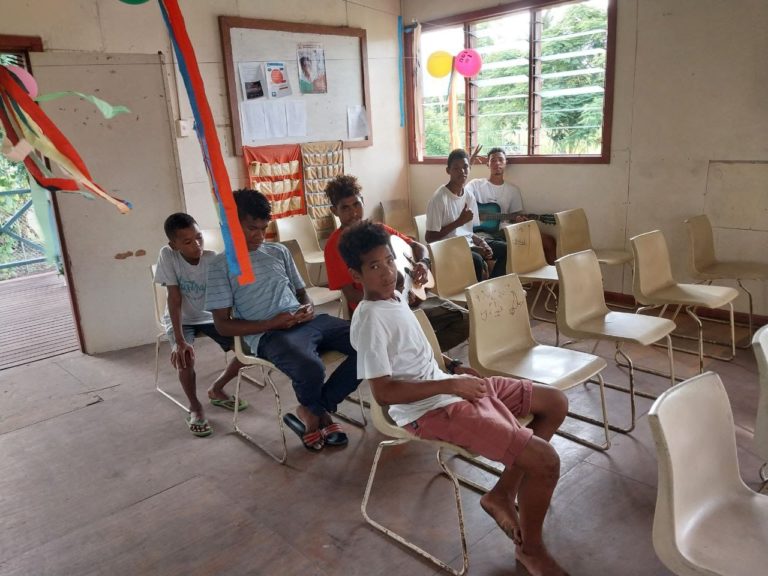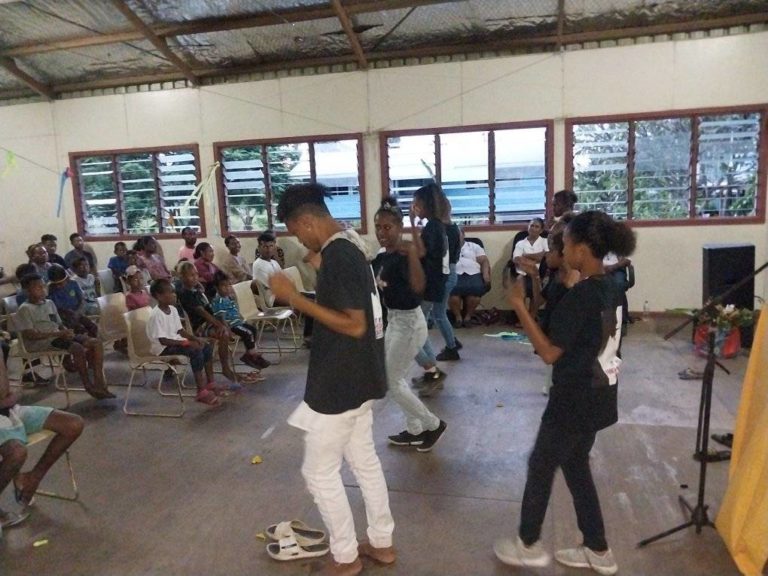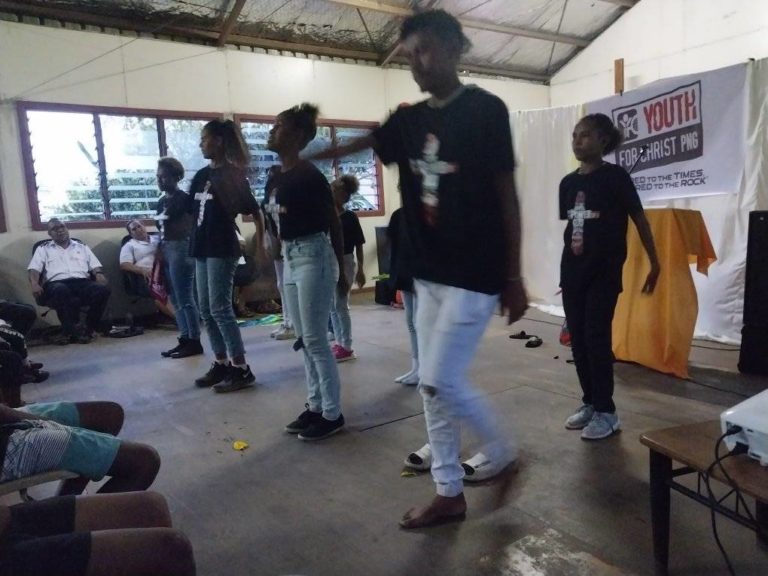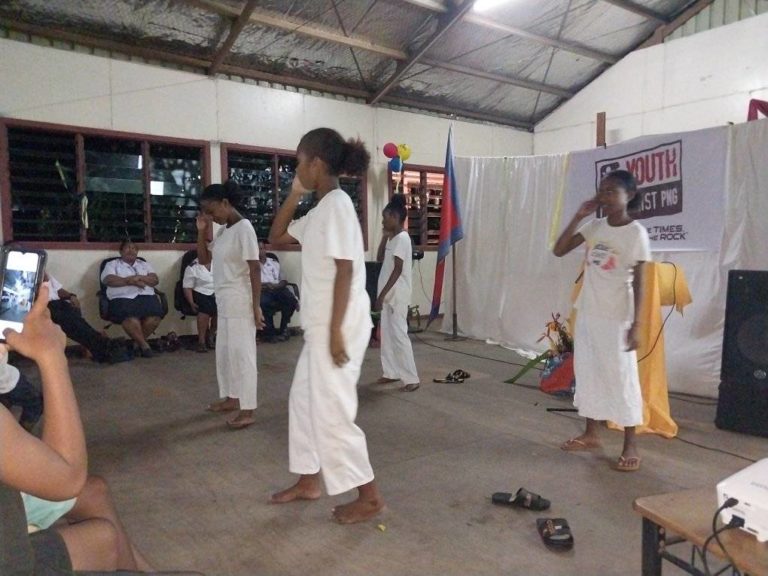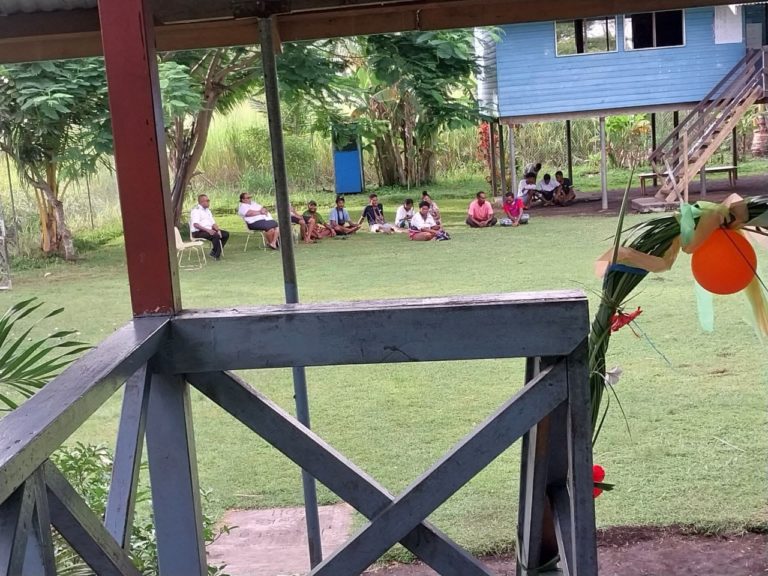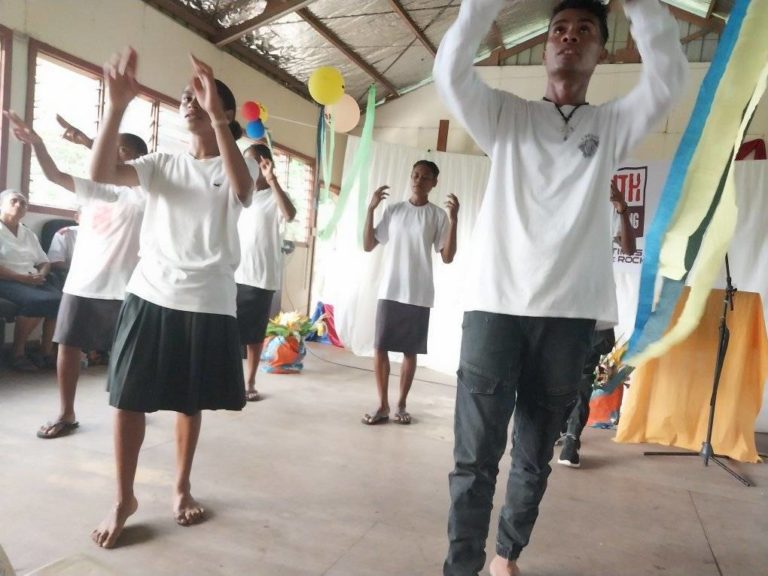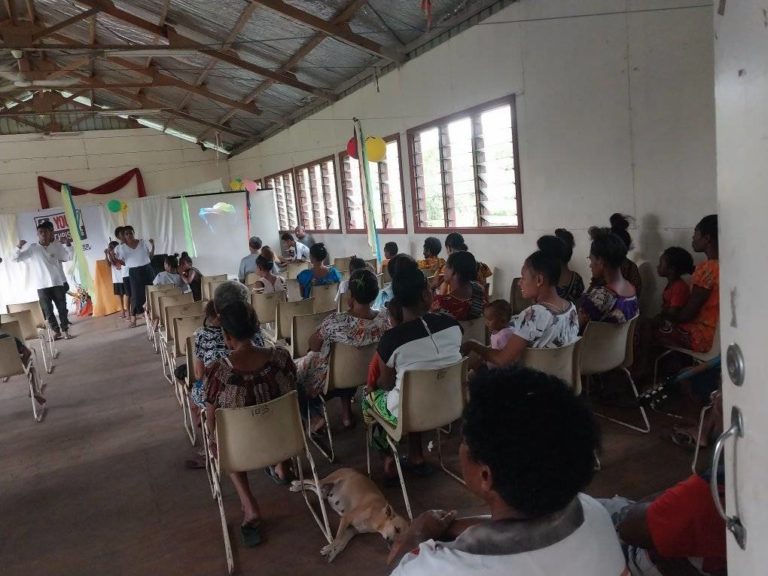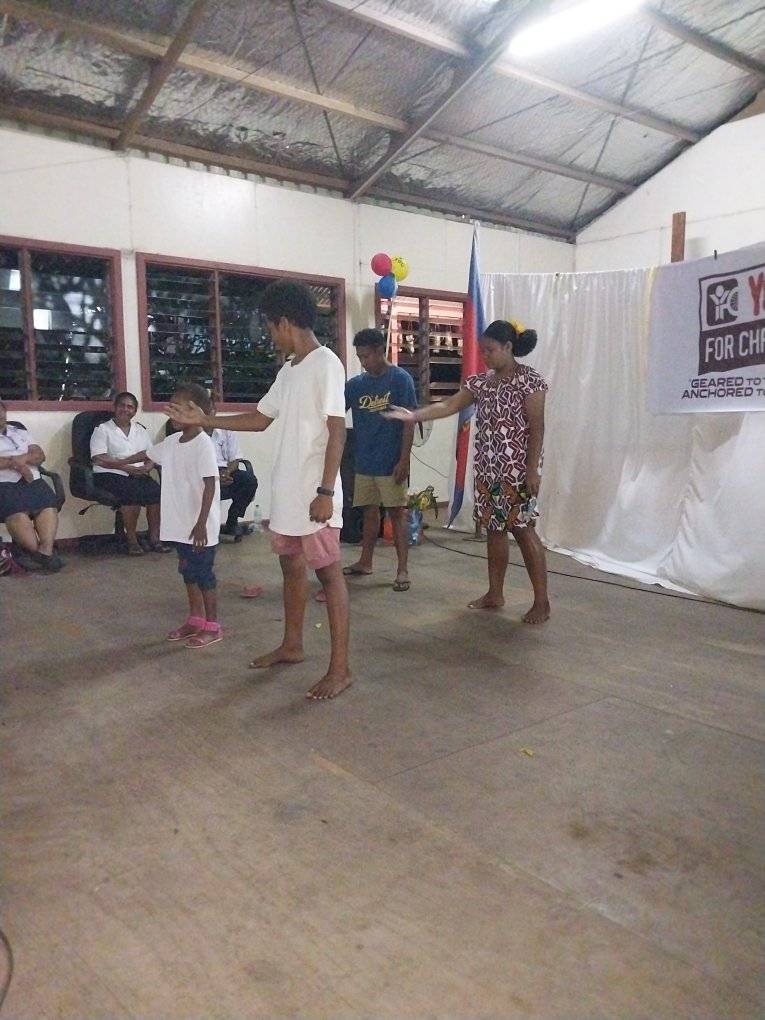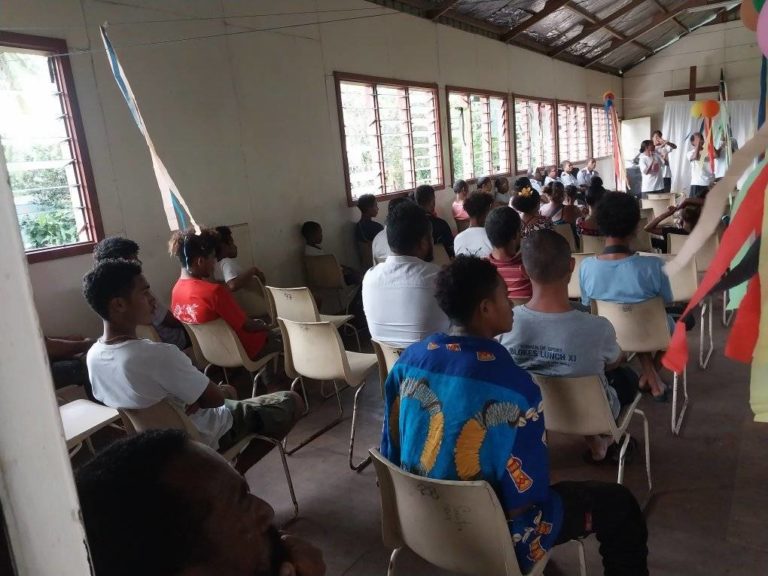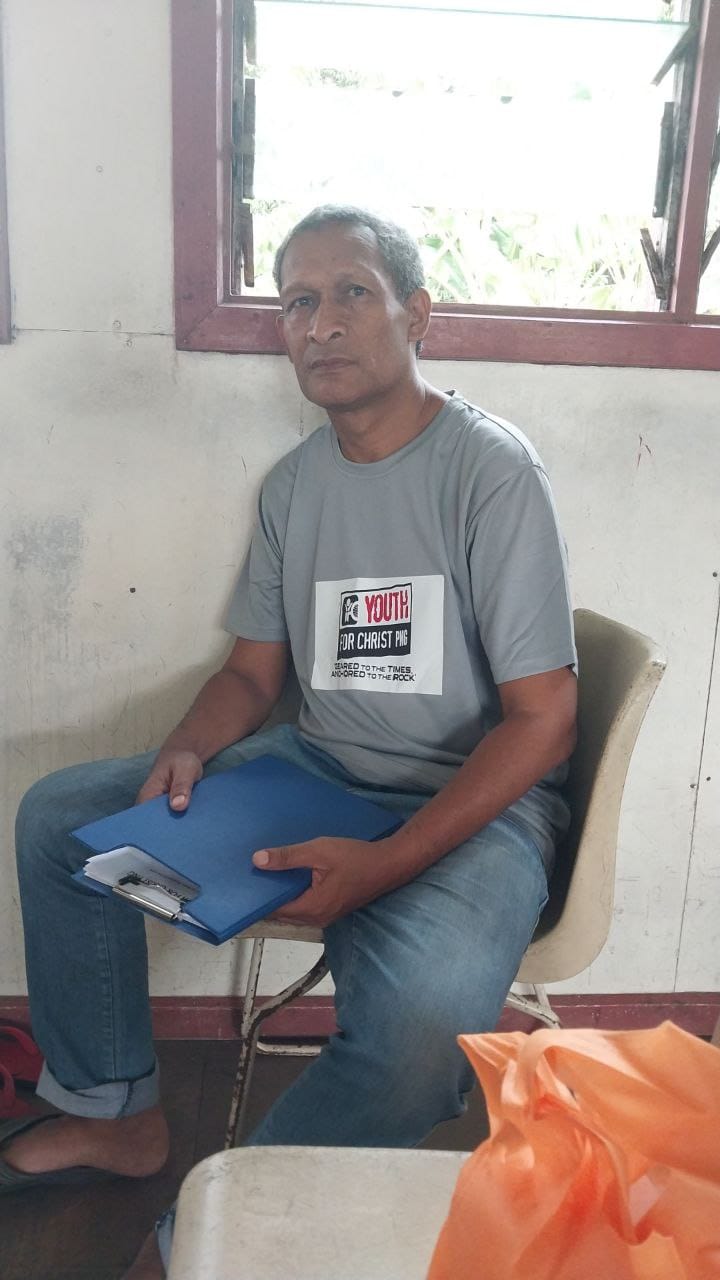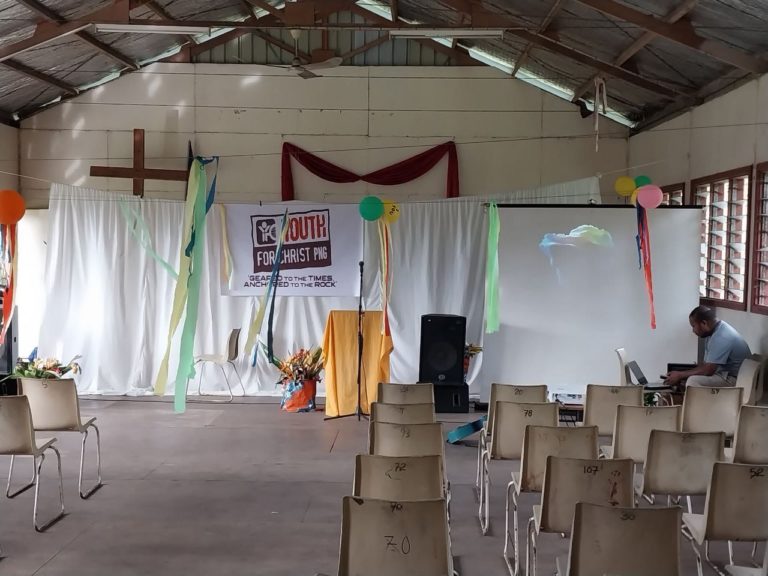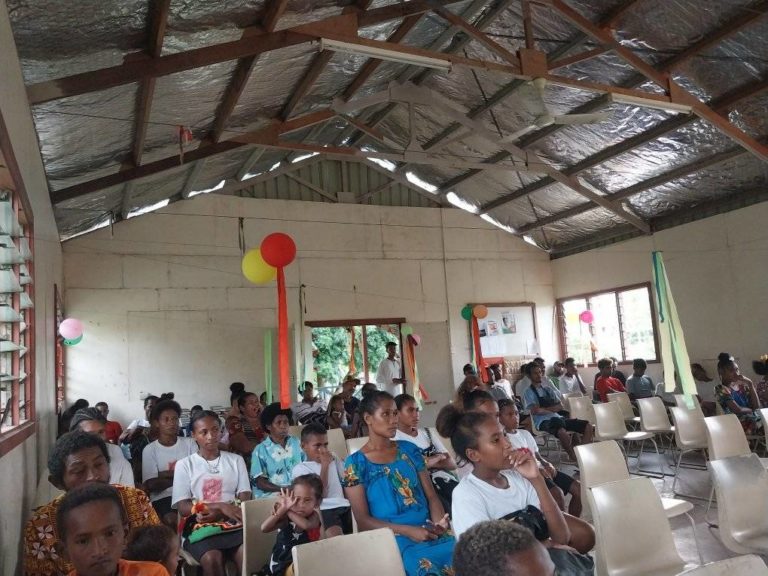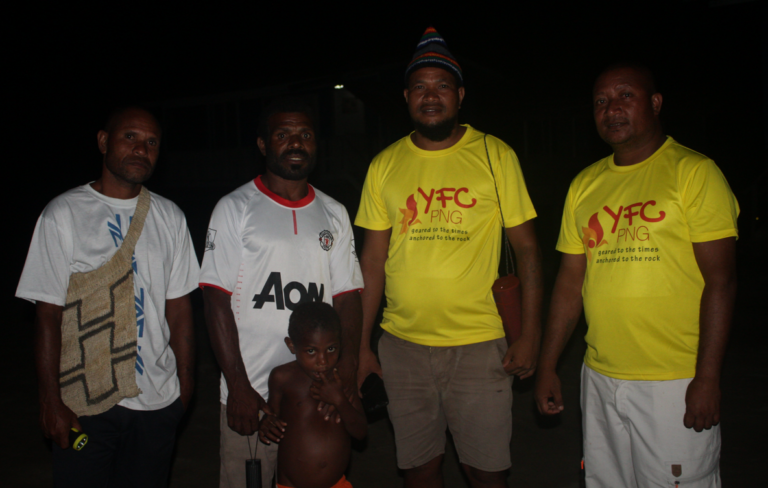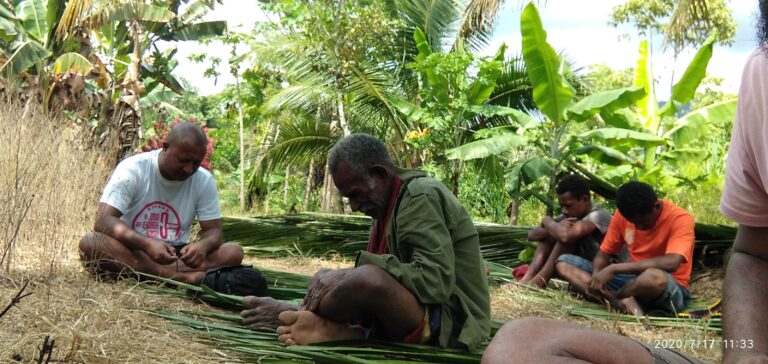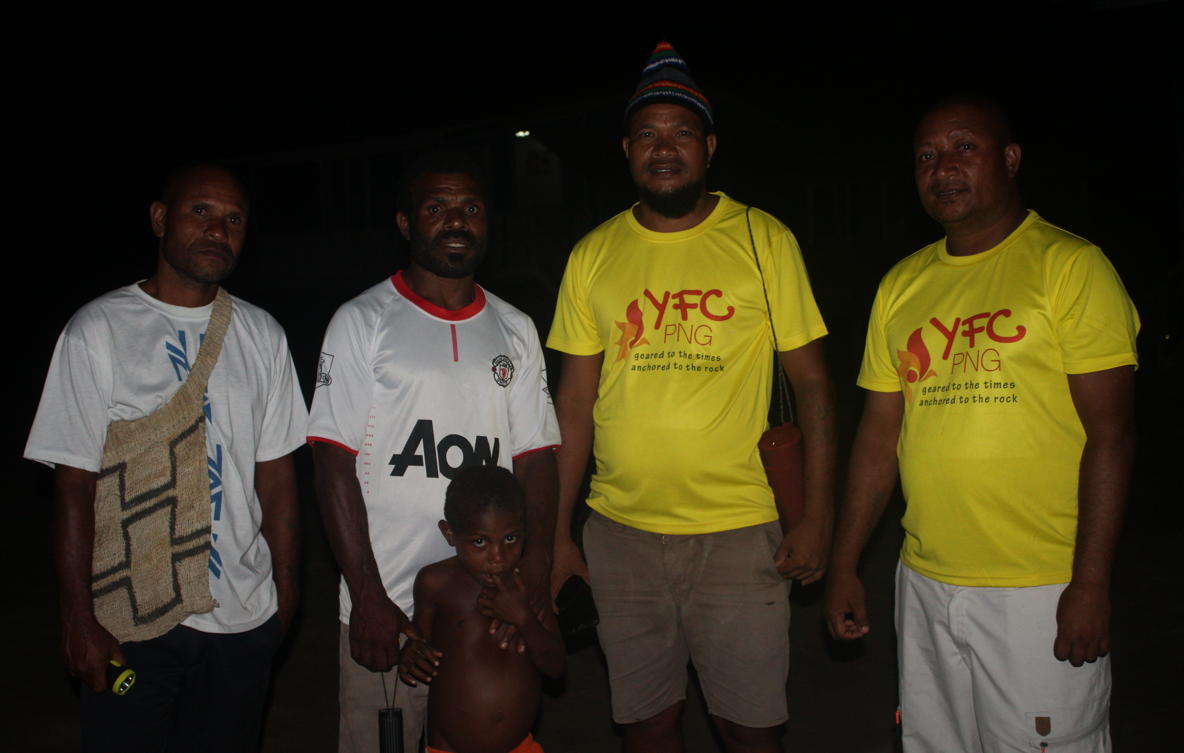
Youth for Christ ministry in Papua New Guinea is still in the target stage. This means key contacts have been identified, and a ministry plan is being developed but ministry has not yet commenced.
About Papua New Guinea
Papua New Guinea
Introduction
The eastern half of the island of New Guinea - second largest in the world - was divided between Germany (north) and the UK (south) in 1885. The latter area was transferred to Australia in 1902, which occupied the northern portion during World War I and continued to administer the combined areas until independence in 1975. A nine-year secessionist revolt on the island of Bougainville ended in 1997 after claiming some 20,000 lives.
Geography
Location
Location: Oceania, group of islands including the eastern half of the island of New Guinea between the Coral Sea and the South Pacific Ocean, east of Indonesia
Geographic Coordinates: 6 00 S, 147 00 E
Area
Total Area: 462,840 sq km Rank: 54
Land Area: 452,860 sq km
Water Area: 9,980 sq km
Comparison: slightly larger than California
Land Boundaries: 820 km
Bordering Countries: Indonesia 820 km
Coastline: 5,152 km
measured from claimed archipelagic baselines
territorial sea:
12 nm
Climate
tropical; northwest monsoon (December to March), southeast monsoon (May to October); slight seasonal temperature variation
Terrain
mostly mountains with coastal lowlands and rolling foothills
Elevations
Lowest Point: Pacific Ocean 0 m
Highest Point: Mount Wilhelm 4,509 m
Natural Resources
gold, copper, silver, natural gas, timber, oil, fisheries
Land Use
Arable land: 0.49%
Permanent Crops: 1.4%
Other: 98.11% (2005)
Irrigated Land: NA
Renewable Water Resources: 801 cu km (1987)
Total Freshwater withdrawal (domestic/industrial/agricultural): 0.1 cu km/yr (56%/43%/1%)
Freshwater Withdrawal Per Capita: 17 cu m/yr (1987)
Environment
Natural Hazards: active volcanism; situated along the Pacific "Ring of Fire"; the country is subject to frequent and sometimes severe earthquakes; mud slides; tsunamis
Environmental Issues: rain forest subject to deforestation as a result of growing commercial demand for tropical timber; pollution from mining projects; severe drought
Environmental Agreements: Party to: Antarctic Treaty, Biodiversity, Climate Change, Climate Change-Kyoto Protocol, Desertification, Endangered Species, Environmental Modification, Hazardous Wastes, Law of the Sea, Marine Dumping, Ozone Layer Protection, Ship Pollution, Tropical Timber 83, Tropical Timber 94, Wetlands
Geography Notes
shares island of New Guinea with Indonesia; one of world's largest swamps along southwest coast
People
Population: 5,940,775 (July 2010 est.) Rank: 106
Age Structure
0-14 years: 37.3% (male 1,126,214/female 1,088,211)
15-64 years: 59.3% (male 1,815,731/female 1,704,430)
65 years and over: 3.5% (male 113,285/female 92,904) (2010 est.)
Median Age: 21.9 years
Population Growth
Growth Rate: 2.09% (2010 est.) Rank: 51
Birth Rate: 27.57 births/1,000 population (2010 est.) Rank: 57
Death Rate: 6.67 deaths/1,000 population (July 2010 est.) Rank: 146
Net Migration Rate: NA
Urbanization
Urban Population: 12% of total population (2008)
Rate of Urbanization: 1.9% annual rate of change (2005-10 est.)
Life and Death
Infant Mortality Rate: 45.9 deaths/1,000 live births Rank: 56
Life Expectancy at Birth: 65.75 years Rank: 164
Fertility Rate: 3.54 children born/woman (2010 est.) Rank: 53
Health and Disease
HIV/AIDS - Adult Prevalence Rate: 1.5% (2007 est.) Rank: 43
People living with HIV/AIDS: 54,000 (2007 est.) Rank: 63
HIV/AIDS Deaths: fewer than 1,000 (2007 est.) Rank: 75
Degree of Risk for Major Infectious Diseases: very high
Food or waterborne diseases: bacterial diarrhea, hepatitis A, and typhoid fever
Vectorborne Diseases: dengue fever and malaria (2009)
Nationality and Culture
Noun: Papua New Guinean(s)
Adjective: Papua New Guinean
Ethnic Groups: Melanesian, Papuan, Negrito, Micronesian, Polynesian
Religion: Roman Catholic 27%, Evangelical Lutheran 19.5%, United Church 11.5%, Seventh-Day Adventist 10%, Pentecostal 8.6%, Evangelical Alliance 5.2%, Anglican 3.2%, Baptist 2.5%, other Protestant 8.9%, Bahai 0.3%, indigenous beliefs and other 3.3% (2000 census)
Languages: Tok Pisin, English, and Hiri Motu are official languages; some 860 indigenous languages spoken (over one-tenth of the world's total)
Education
Literacy (Meaning, age 15 and over can read and write): 57.3% Male: 63.4% Female: 50.9% (2000 census)
Education expenditures:
NA
the indigenous population of Papua New Guinea is one of the most heterogeneous in the world; PNG has several thousand separate communities, most with only a few hundred people; divided by language, customs, and tradition, some of these communities have engaged in low-scale tribal conflict with their neighbors for millennia; the advent of modern weapons and modern migrants into urban areas has greatly magnified the impact of this lawlessness
Government
Country Name
Conventional Long Form: Independent State of Papua New Guinea
Conventional Short Form: Papua New Guinea
Local Short Form: Papuaniugini
Formerly: Territory of Papua and New Guinea
Abbreviation: PNG
Government Type: constitutional parliamentary democracy and a Commonwealth realm
Capital: Port Moresby Geographic Coordinates: 9 30 S, 147 10 E
Administrative divisions
18 provinces, 1 autonomous region*, and 1 district**; Bougainville*, Central, Chimbu, Eastern Highlands, East New Britain, East Sepik, Enga, Gulf, Madang, Manus, Milne Bay, Morobe, National Capital**, New Ireland, Northern, Sandaun, Southern Highlands, Western, Western Highlands, West New Britain
Independence: 16 September 1975 (from the Australian-administered UN trusteeship)
National holiday: Independence Day, 16 September (1975)
Constitution: 16 September 1975
Legal system: based on English common law; has not accepted compulsory ICJ jurisdiction
Suffrage: 18 years of age; universal
Executive Branch
Chief of State: Queen ELIZABETH II (since 6 February 1952); represented by governor general Sir Paulias MATANE (since 29 June 2004)
Head of Government: Prime Minister Sir Michael SOMARE (since 2 August 2002); Deputy Prime Minister Don Poyle (since 20 July 2010)
Cabinet: National Executive Council appointed by the governor general on the recommendation of the prime minister
Elections: the monarchy is hereditary; the governor general nominated by parliament and appointed by the chief of state; following legislative elections, the leader of the majority party or leader of the majority coalition usually appointed prime minister by the governor general acting in accordance with a decision of the parliament
Legislative Branch
unicameral National Parliament (109 seats, 89 filled from open electorates and 20 from provinces and national capital district; members elected by popular vote to serve five-year terms); constitution allows up to 126 seats
Elections: last held from 30 June to 10 July 2007; next to be held in June 2012
Election Results: percent of vote by party - NA; seats by party - NA 27, PNGP 8, PAP 6, URP 6, PANGU PATI 5, PDM 5, independents 19, others 33; note - election to 1 seat was nullified
Note: 15 other parties won 4 or fewer seats; association with political parties is fluid
Judicial branch
Supreme Court (the chief justice is appointed by the governor general on the proposal of the National Executive Council after consultation with the minister responsible for justice; other judges are appointed by the Judicial and Legal Services Commission)
Politics
Political Parties and Leaders: National Alliance Party or NA [Michael SOMARE]; Papua and Niugini Union Party or PANGU PATI [Andrew KUMBAKOR]; Papua New Guinea Party or PNGP [Sir Mekere MORAUTA]; People's Action Party or PAP [Gabriel KAPRIS]; People's Democratic Movement or PDM [Michael OGIO]; United Resources Party or URP [William DUMA]
Political Pressure Groups and Leaders: Ahora [Andrew MAMOKO] (represents local tribes); Centre for Environment Law and Community Rights or Celcor [Damien ASE]; Community Coalition Against Corruption
International Organization Participation: ACP, ADB, AOSIS, APEC, ARF, ASEAN (observer), C, CP, FAO, G-77, IBRD, ICAO, ICRM, IDA, IFAD, IFC, IFRCS, IHO, ILO, IMF, IMO, Interpol, IOC, IOM (observer), IPU, ISO (correspondent), ITSO, ITU, MIGA, NAM, OPCW, PIF, Sparteca, SPC, UN, UNCTAD, UNESCO, UNIDO, UNWTO, UPU, WCO, WHO, WIPO, WMO, WTO
Flag Description: divided diagonally from upper hoist-side corner; the upper triangle is red with a soaring yellow bird of paradise centered; the lower triangle is black with five, white, five-pointed stars of the Southern Cross constellation centered; red, black, and yellow are traditional colors of Papua New Guinea; the bird of paradise - endemic to the island of New Guinea - is an emblem of regional tribal culture and represents the emergence of Papua New Guinea as a nation; the Southern Cross, visible in the night sky, symbolizes Papua New Guinea's connection with Australia and several other countries in the South Pacific
Economy
Economy Overview: Papua New Guinea is richly endowed with natural resources, but exploitation has been hampered by rugged terrain and the high cost of developing infrastructure. Agriculture provides a subsistence livelihood for 85% of the population. Mineral deposits, including copper, gold, and oil, account for nearly two-thirds of export earnings. A consortium led by a major American oil company plans to begin the commercialization of the country's estimated 227 billion cubic meters of natural gas reserves through the construction of a liquefied natural gas (LNG) production facility that could begin exporting in 2013 or 2014; the largest investment project in the country's history, it received a green light in December 2009 and has the potential to double GDP in the near-term and triple Papua New Guinea's export revenue. The government faces the challenge of ensuring transparency and accountability for revenues flowing from this and other large LNG projects. The government of Prime Minister SOMARE has expended much of its energy remaining in power. He was the first prime minister ever to serve a full five-year term. The government has brought stability to the national budget, largely through expenditure control; however, it relaxed spending constraints in 2006 and 2007 as elections approached. Numerous challenges still face the government, including providing physical security for foreign investors, regaining investor confidence, restoring integrity to state institutions, promoting economic efficiency by privatizing moribund state institutions, and balancing relations with Australia, its former colonial ruler. Other socio-cultural challenges could upend the economy including an HIV/AIDS epidemic, with the highest infection rate in all of East Asia and the Pacific, and chronic law and order and land tenure issues. The global financial crisis had little impact because of continued high demand for Papua New Guinea's commodities exports.
Gross Domestic Product
GDP (purchasing power parity): $13.74 billion (2009 est.) Rank: 137
GDP - real growth rate: 4.5% (2009 est.) Rank: 38
GDP - per capita (PPP): $2,300 (2009 est.) Rank: 180
GDP - Composition by Sector: Agriculture: 33.5% Industry: 35% Services: 31.5% (2009 est.)
Labor Force
Labor Force: 3.723 million (2009 est.) Rank: 90
Labor force - by occupation: Agriculture: 85% Industry: NA Services: NA (2005 est.)
Unemployment Rate: 1.8% (2004) Rank: 10
Poverty
Population below poverty line: 37% (2002 est.)
$NA (31 December 2008)
$NA (31 December 2007)
$6.632 billion (31 December 2006)
total: 9,349 km (2010)
country comparison to the world: 135
Transnational Issues
International Disputes: relies on assistance from Australia to keep out illegal cross-border activities from primarily Indonesia, including goods smuggling, illegal narcotics trafficking, and squatters and secessionists
Refugees and internally displaced persons - refugees (country of origin): 10,177 (Indonesia) (2007)
Want to know more? Show Full Profile
Explore YFC International
- EverYouth Drama Ministry » Evangelism Through Drama
- YFC Alumni Fellowship » Reconnect with old friends and the ministry of YFC.
- YFC Global Launch » Helping Young Leaders Achieve Their God-given Dreams!
- YFC University » Quality online courses on the Bible, Ministry, and the Christian Life.
- YFC Coaching » Assisting YFC Staff to grow and become more effective in bringing out the best in those around them.
- YFC World » STAFF ONLY